







We mobilised a network of undercover volunteers to assess dolphin watching hotspots across Australia, bringing you the ultimate guide to see these magnificent creatures while prioritising their welfare.

Why choose wild dolphin watching?

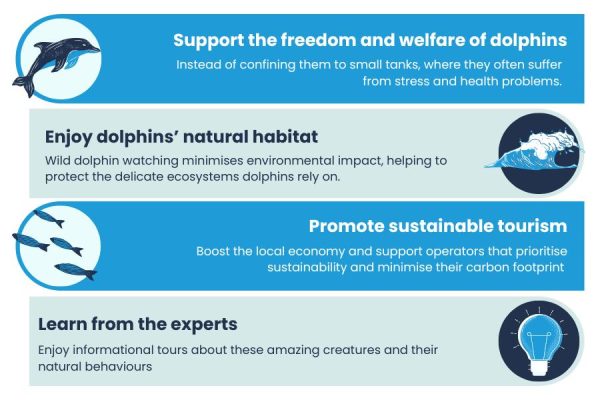
Dolphins are intelligent, playful, and fascinating animals who do not belong in captivity. Wild dolphin watching is a magical experience, but it’s crucial to do so responsibly. By following our recommendations, you will:

Dolphin watching tips

Our Guide: Wild Dolphin Watching Do’s and Don’ts

Before you embark on your wild dolphin watching adventure, take a moment to learn how to observe them respectfully.

Do let dolphins decide how and when to interact

Our wild dolphin watching tour guidelines

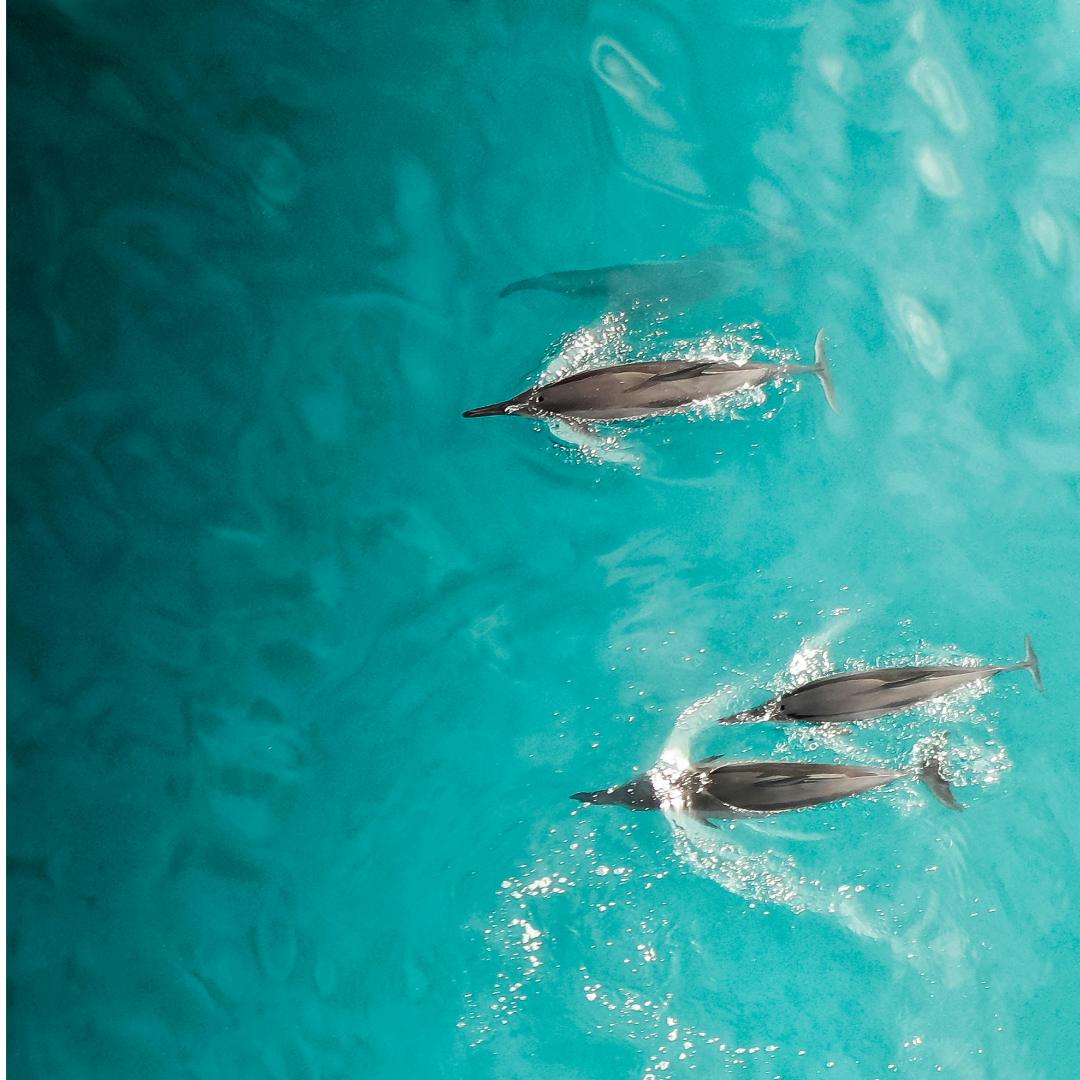
3 dolphins swim on the surface of bright blue water
Source Pexels

Follows the National Guidelines

Follows all of the recommendations in the Australian National Guidelines for Whale and Dolphin Watching 2017.

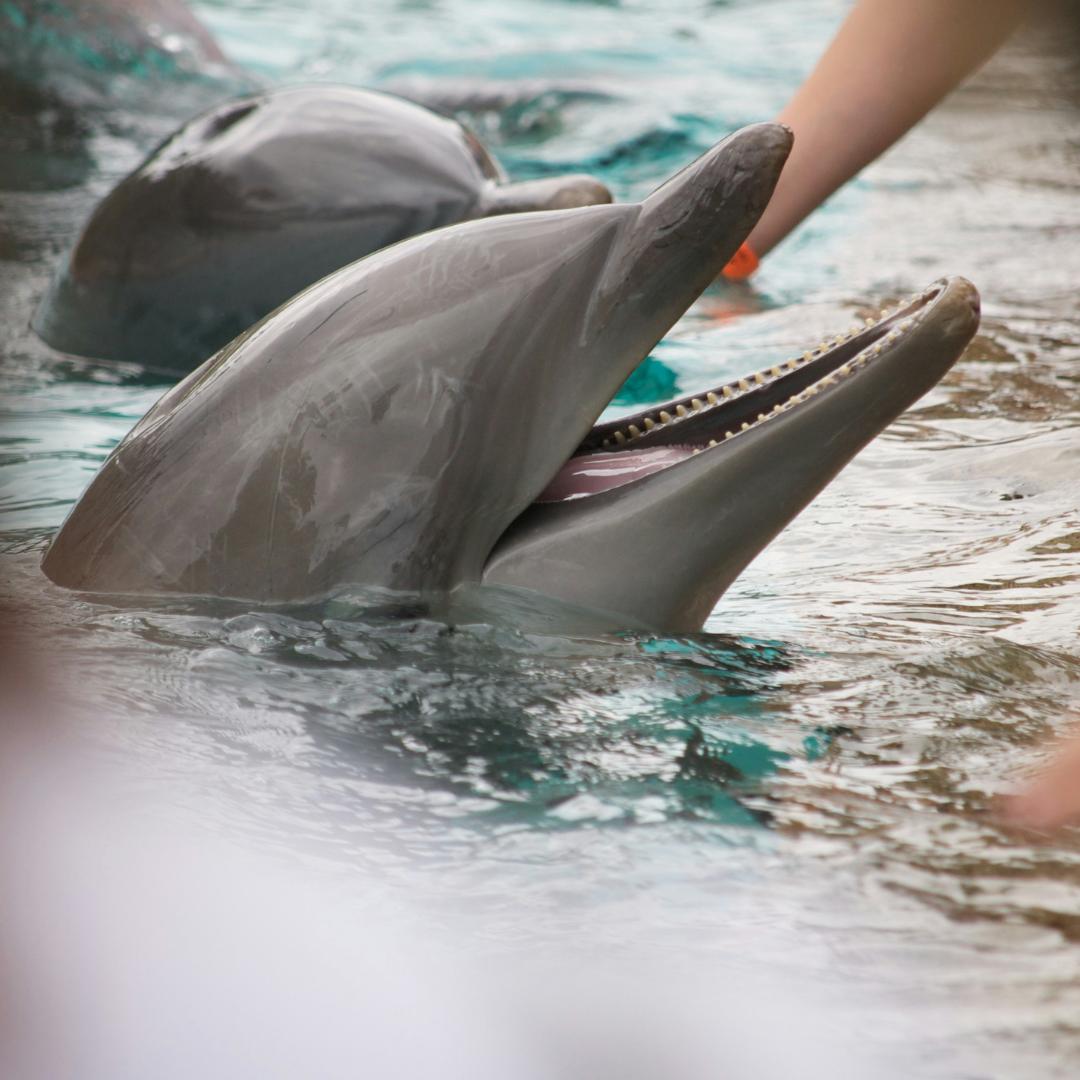
Dolphins poke their heads out of the water with a hand reaching down
Source Unsplash

Does not offer swim or feed experiences

Does not permit people to swim with, touch, or feed marine mammals.

Dolphin-on-surface-of-water-with-eye-looking-directly-at-you
Source Pexels

Permits

Has permits to operate the tours from relevant authorities, and complies with any additional conditions imposed by those permits.

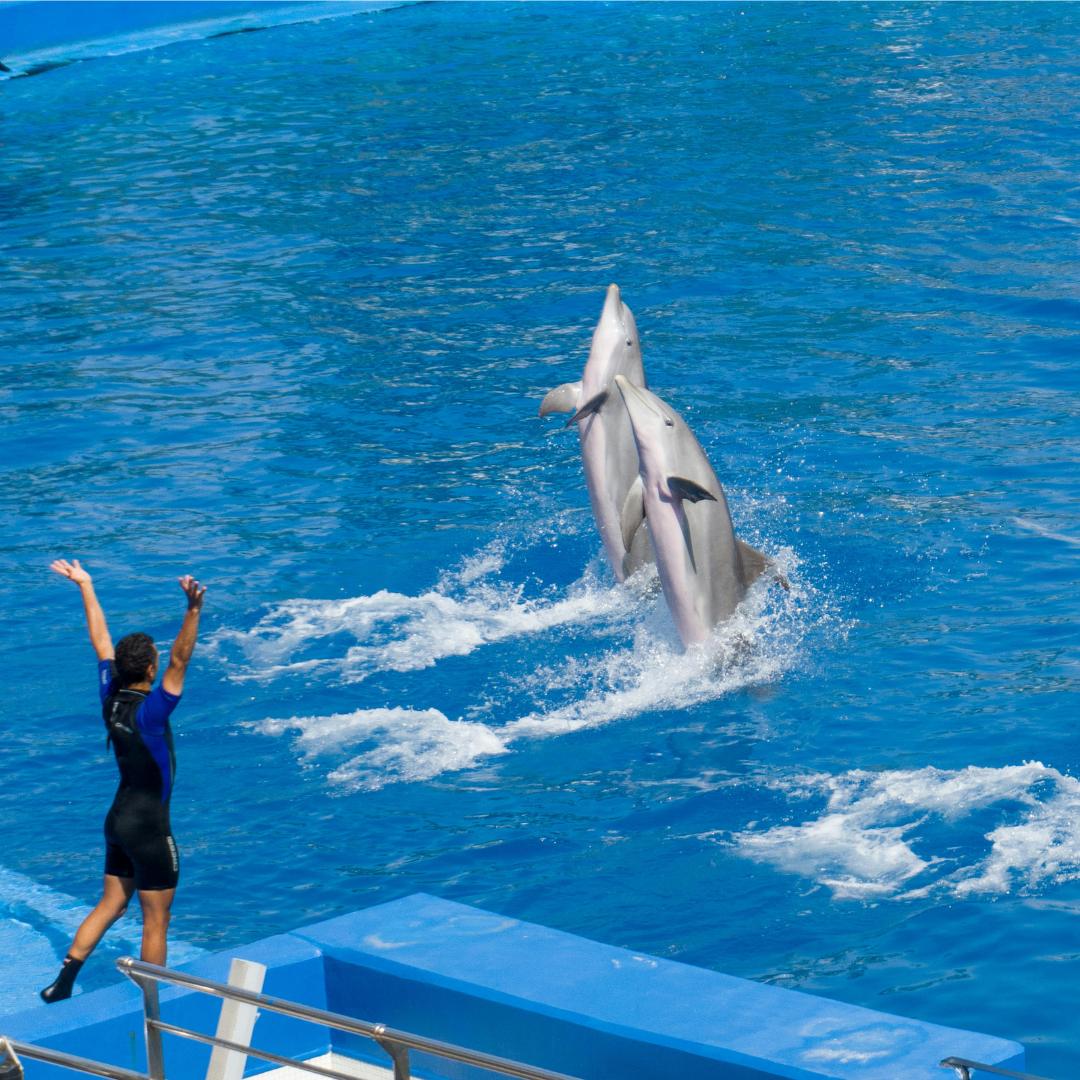
Two dolphins perform in a pool with a trainer directing them
Source Pexels

Does not support captivity

Does not support keeping animals in captivity for entertainment.

Pod of dolphins in a blue ocean
Source Pexels

Complies with regulatory requirements

Complies with relevant federal legislative requirements, state or territory legislative requirements and applicable voluntary codes of conduct, codes of practice and guidelines.

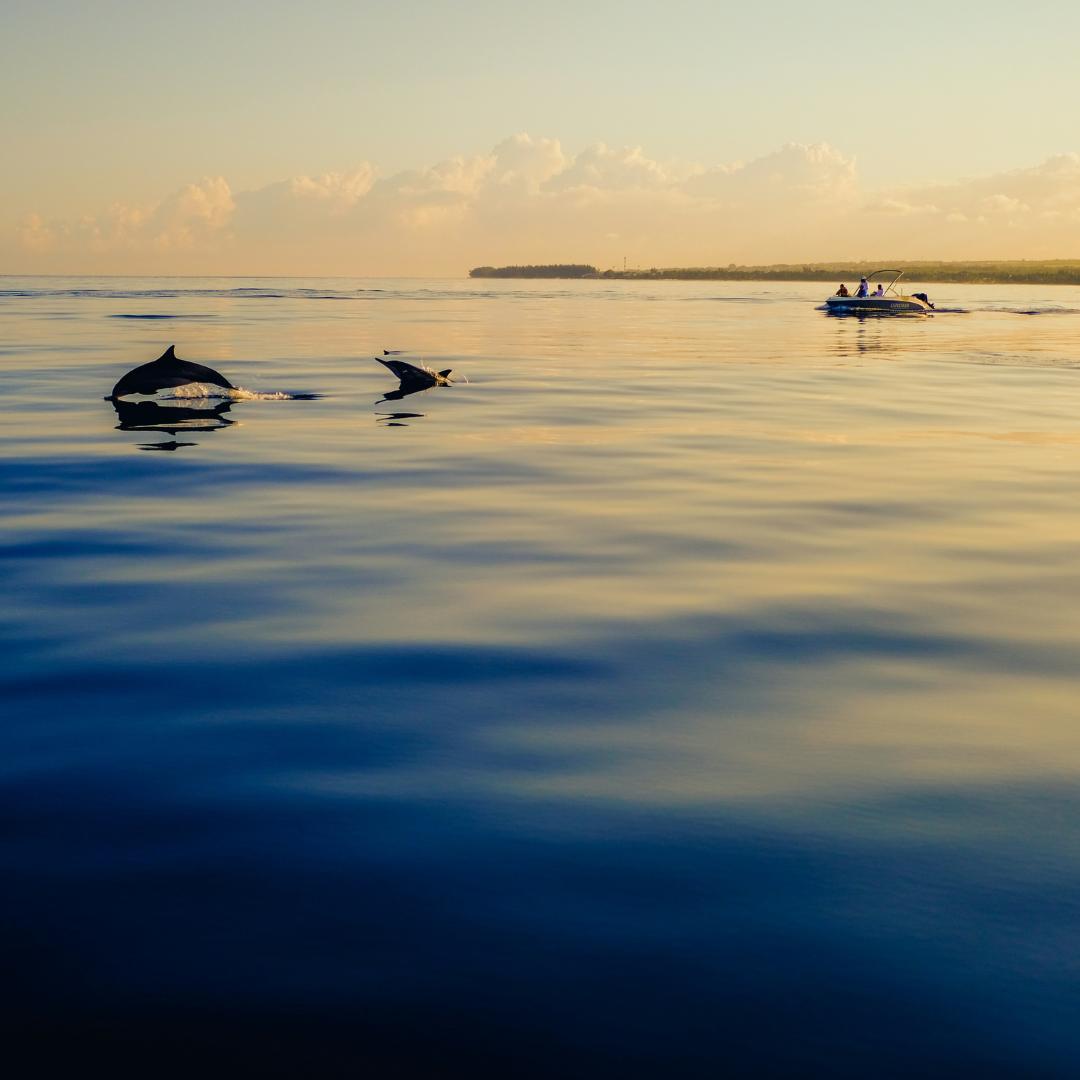
Two dolphins swim with a boat in the background at sunset
Source Unsplash

Limits vessels in the caution zone

Operator’s vessel stays in the caution zone for maximum 30 minutes if 3 vessels are present, and maximum 10 minutes if a 4th vessel is waiting to enter the caution zone.

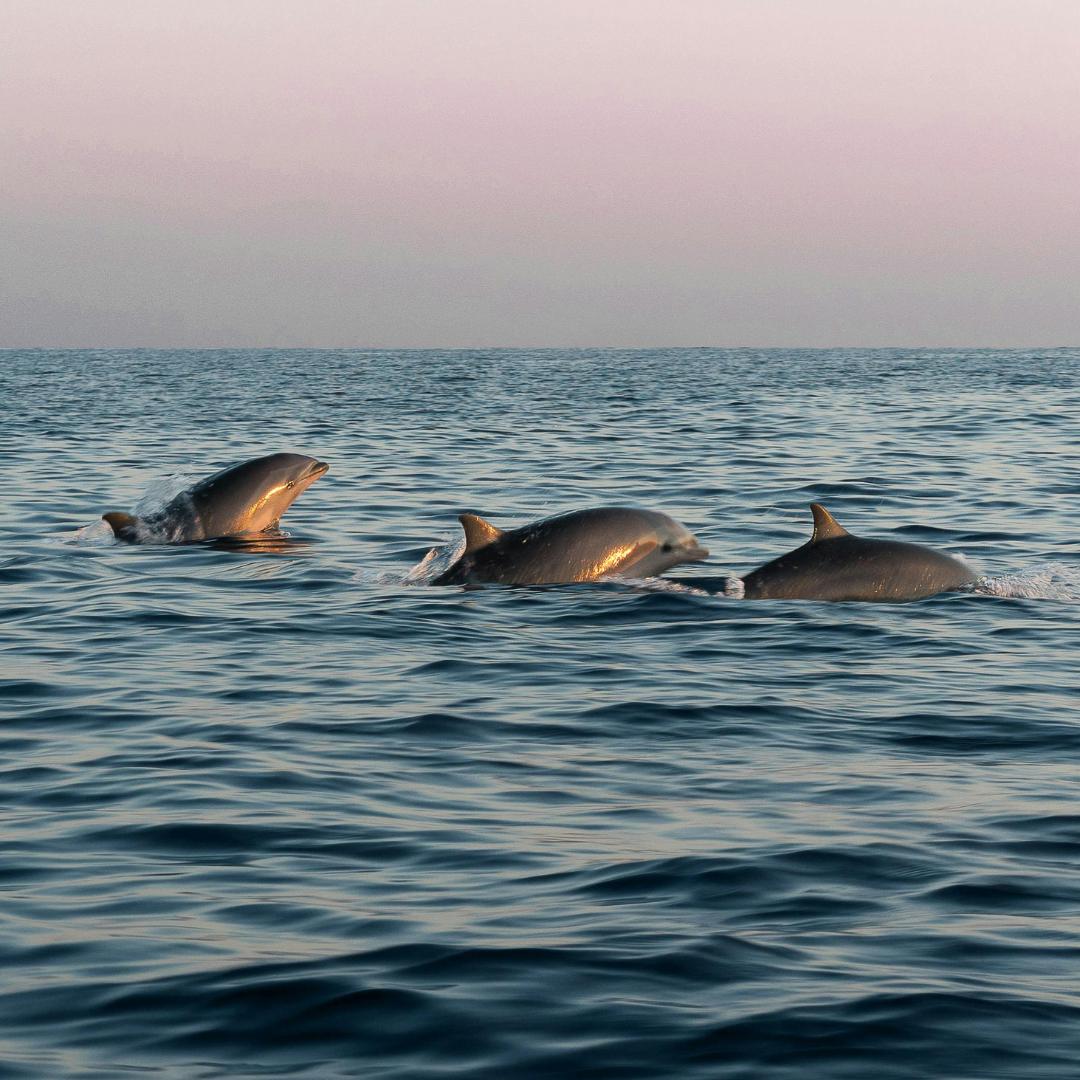
Three dolphins swim on the surface of the water with pink sky
Source Pexels

Environmental stewardship

Focuses on optimal use of resources, operations leave minimal impact on the environment and contributes to conserving the environment, as demonstrated with certification from a reputable ecotourism certification scheme.

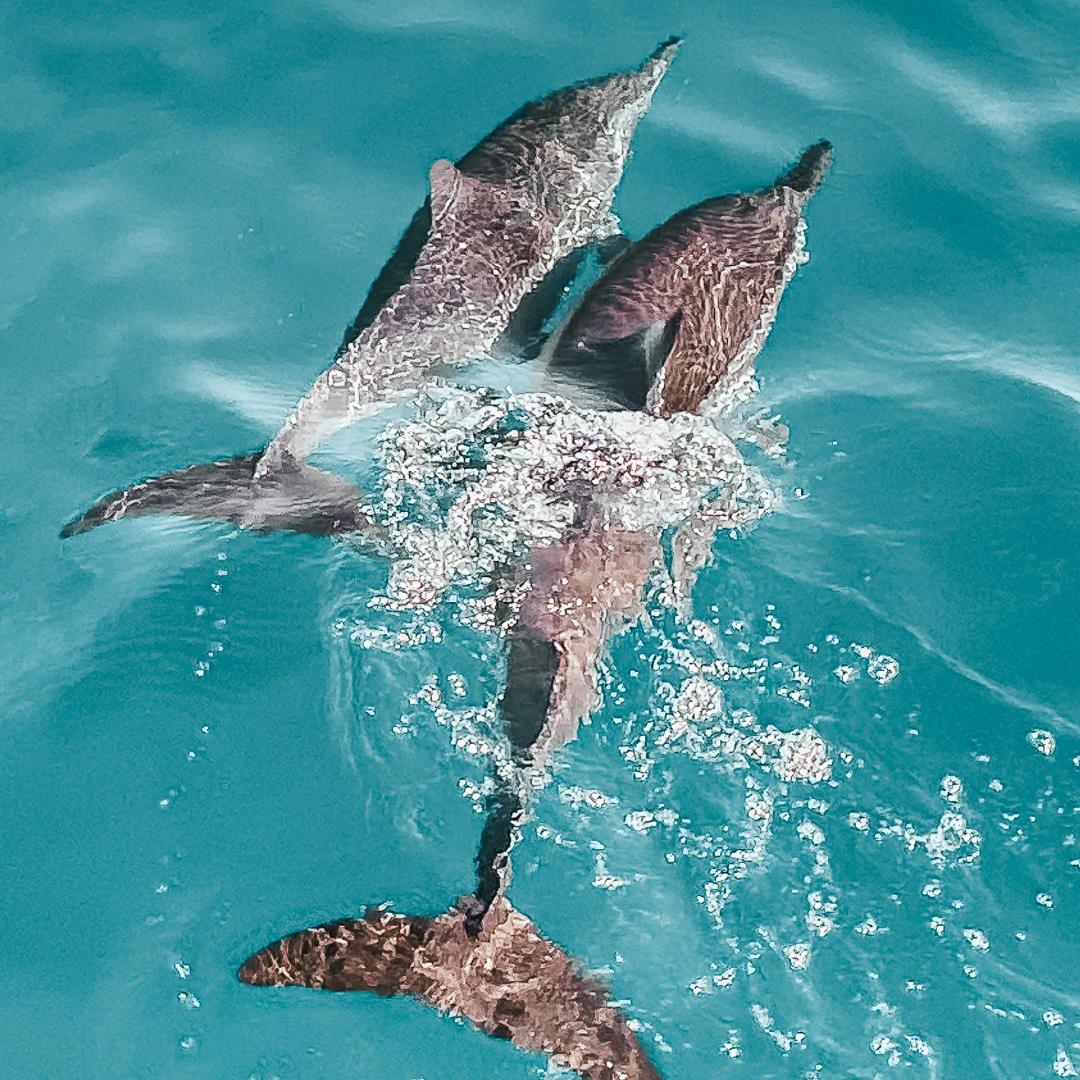
Two dolphins surface the water with a small splash
Source Pexels

Educational engagement

Provides passengers with educational information about cetacean conservation, including information on local species, habitats, behaviours, threats facing the local area and the conservation status of the animals in the region.

What is the best time of year for dolphin watching?

The best time of year for dolphin watching in Australia generally falls between October and April, when weather conditions are ideal, and waters are calm. Dolphins are visible throughout the year, but these warmer months offer higher chances of sightings.

For the best experience, consider watching during early mornings or late afternoons, when dolphins tend to be more active.

See the full list of species of whales and dolphins found in Australia here.
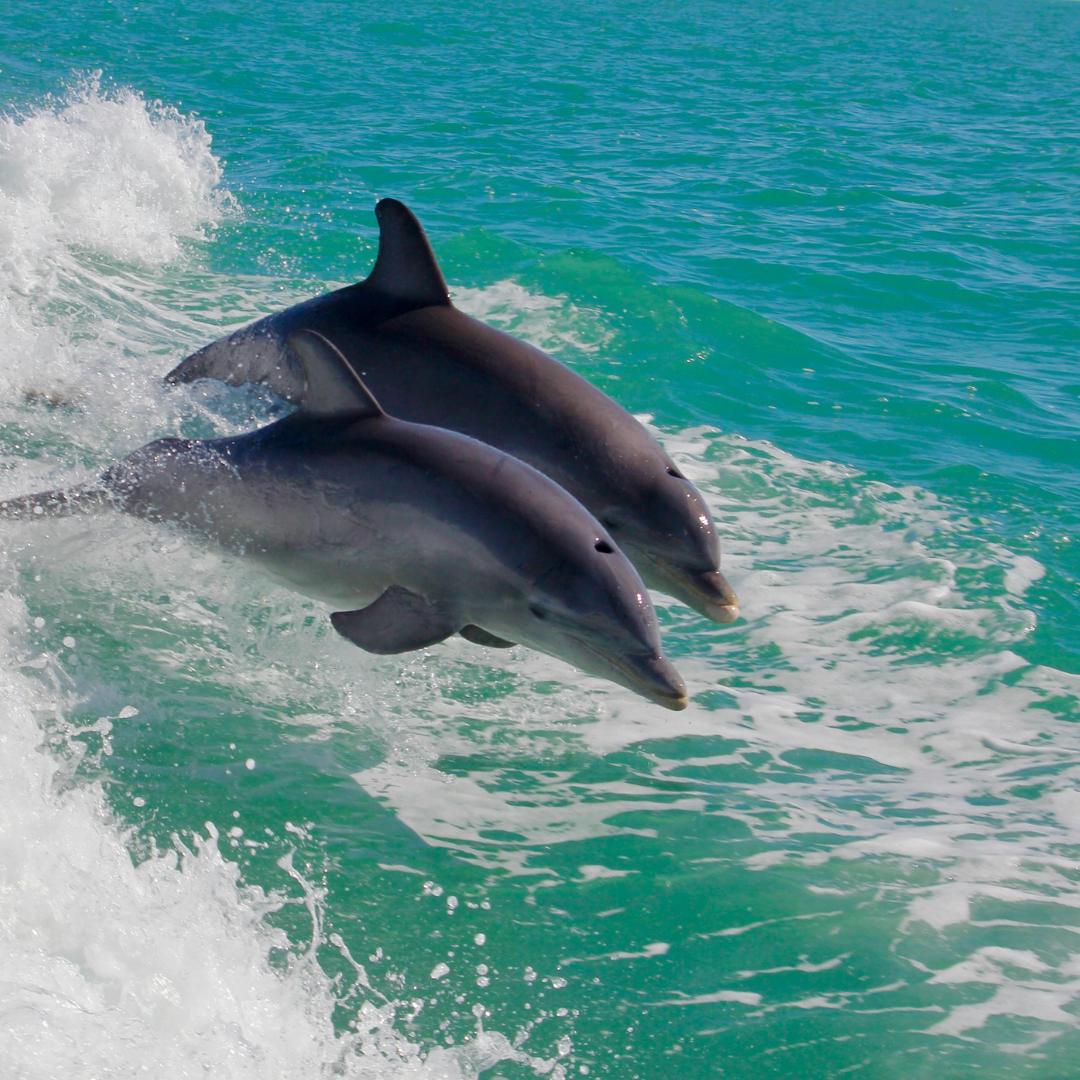
Source Pexels

The effects of unethical practices in wild dolphin watching

Unfortunately, not all wild dolphin watching experiences are created equal. Some tours can even harm dolphins. Here’s why certain activities, like feeding, touching, and chasing dolphins, are harmful.

Video credit: Canva.com

Fill in your details to get the full dolphin AND whale watching guide