The Australian Government has just proposed the biggest expansion of ocean protection in a decade. Add your name to support this expansion and secure more marine sanctuaries where dolphins and whales feed, breed, raise their calves and migrate.
2.4mil km²
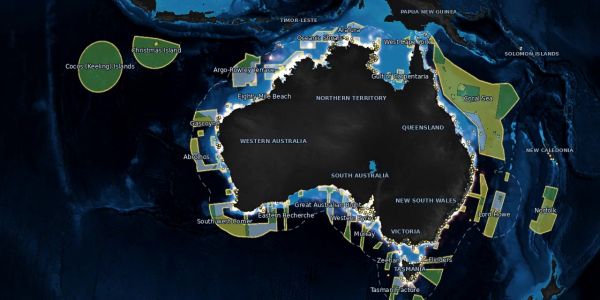
of ocean is being reviewed, covering 44 marine protected areas (MPAs) across 5 networks
~6.2%
of the key places dolphins and whales depend on are in marine sanctuaries
~79%
of important dolphin and whale habitats are completely outside marine protected areas (MPAs)
What your voice is calling for
We can shape the map that protects dolphins and whales for the next ten years and secure more marine sanctuaries. Here are the key ways we can do so.
Support the proposed 670,000 km² of new marine sanctuaries around Norfolk and Lord Howe Islands
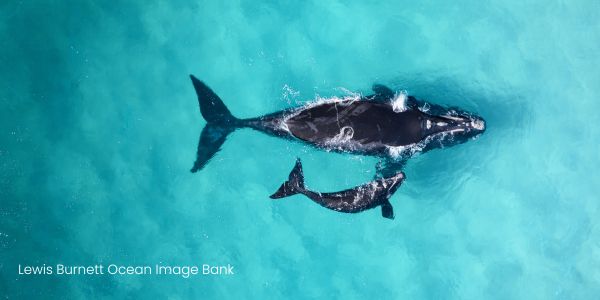
Protect more dolphin and whale habitat. About 79% of the ocean dolphins and whales rely on sits outside any protection today. Extend the protected areas to cover more of it.
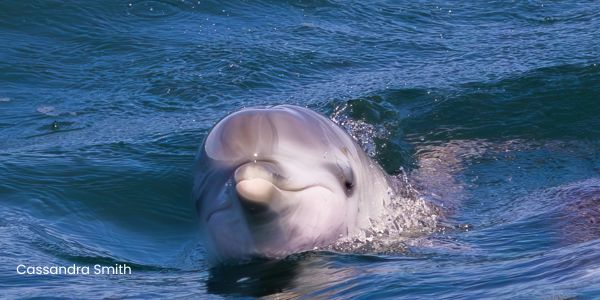
Create more marine sanctuaries, the safe zones where harmful activities are kept out entirely. Only about 6.2% of the key places dolphins and whales feed, breed, calve and migrate have this level of protection. We need more.
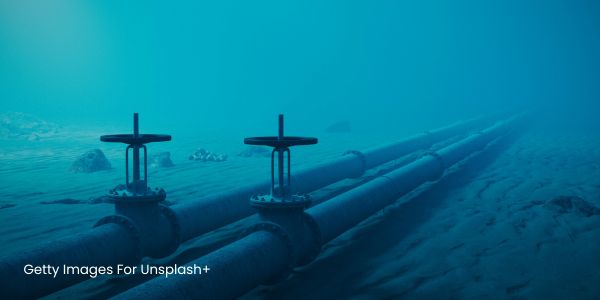
Keep harmful activities out of the places that matter most, including destructive fishing and oil and gas.
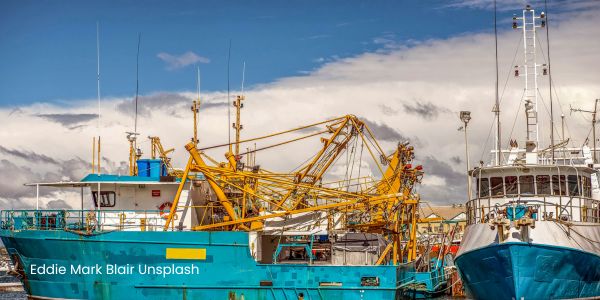
Put real, enforceable conditions on the commercial fishing still allowed inside these protected areas.
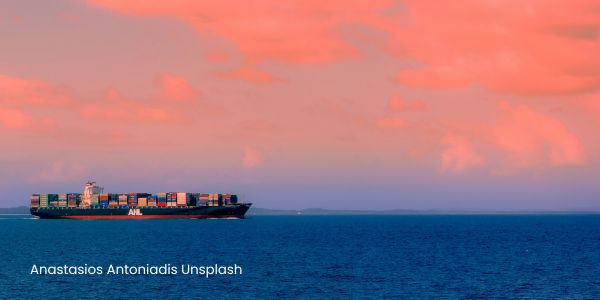
Set commercial shipping speed and noise limits where whales and dolphins travel and gather.
The evidence to support dolphins and whales
For months, our team has been building the Australian Dolphin Atlas: the first ever map of where dolphins live in Australian waters, what threatens them, and where the strongest protections have never reached. It’s how we know that only ~6.2% of the ocean they depend on has the strongest protection, and exactly where the gaps are. That evidence is what we take to the government, so the call for more marine protected areas (MPAs) and stronger protections lands where it matters most for dolphins and whales.
The submission you're adding your name to
When you add your name, it's attached to the formal submission we'll lodge with the government. You can read it in full here.
Dear Minister Watt,
I welcome this opportunity to improve protection in iconic offshore areas around Australia and protect the ocean that dolphins and whales need to feed, breed, nurse their calves, and migrate through.
I am supportive of the Australian Government’s proposal to expand sanctuary protection around Norfolk Island and Lord Howe Island. At Lord Howe, which sits on the humpback highway, the share of humpback whale habitat that will receive National Park Zone (IUCN category II) protection will rise from 2% to 78% under the Government’s proposal.
Australia’s waters support more than 40 species of dolphins and whales, several of them found nowhere else on Earth. Along Australia’s coast they feed, breed and migrate through areas that are only partly protected. Dolphins and whales help keep the ocean thriving. When whales dive deep to feed and come back to the surface, they bring nutrients up with them, feeding the tiny plants that the whole ocean food web is built on. As they migrate, whales carry those nutrients thousands of kilometres, and when they die their bodies take carbon down to the seafloor. Dolphins and whales sit near the top of the food chain. Healthy dolphin and whale populations are a sign the waters around them are working as they should. So protecting dolphins and whales protects far more than dolphins and whales. It helps keep the whole ocean productive, balanced and healthy.
Each of the five networks now under review needs stronger protection for dolphins and whales.
Only about 6.2% of the areas most important to dolphins and whales lie within highly protected National Park Zones (IUCN category II), where no commercial fishing or petroleum activity is allowed.
At present the highly protected zones are concentrated in remote, deep waters, while the continental shelf and the migration corridors where dolphins and whales feed and raise their calves remain in the weaker Multiple Use and Special Purpose Zones. In those zones, commercial fishing and petroleum exploration can still be approved.
I ask you to expand the National Park Zones (IUCN category II) so they cover the key habitat for dolphins and whales, across the continental shelf and along their migration corridors.
About 79% of dolphin and whale important habitat lies outside the Australian Marine Parks estate altogether. This review should also assess protection beyond the existing network boundaries and identify where it is missing altogether.
These zones should be selected using the best available science, including the Comprehensive, Adequate and Representative (CAR) principles. As a minimum, they should be informed by Biologically Important Areas (BIAs) already mapped for specific dolphins and whales by the government and Action for Dolphins’ Australian Dolphin Atlas.
Highly protected zones rebuild fish stocks inside their boundaries and in surrounding waters, which benefits the marine environment and the fishing industry alike. This review is the opportunity to remove the most damaging activities from marine parks, as the government did for the South-east Network in 2025. Bottom trawling, seismic surveys for oil and gas, and seabed mining are not compatible with areas set aside to protect marine life, including dolphins and whales.
I recognise the important role that commercial shipping plays to Australia’s economy. Given the threats that dolphins and whales experience from ship strikes and shipping noise pollution, I encourage you to set speed and noise limits where whales and dolphins travel and gather within each marine protected network.
I recognise that Traditional Owner knowledge, cultural values and governance are essential to effective marine park management and the long-term health of our oceans. Marine protected areas must respect Indigenous rights, knowledge and connections to Sea Country.
Please count this as my submission into the Notice of Intent consultation for the Coral Sea, Temperate East, North, North-west and South-west Marine Parks regions, and into the Proclamation proposal consultation for the proposed expansion around Lord Howe and Norfolk Islands.
Yours sincerely,
First Name Last Name
Postcode
Email address