Reports and Investigations

Our latest annual impact report
Our latest investigative reports
No Substitute for the Wild
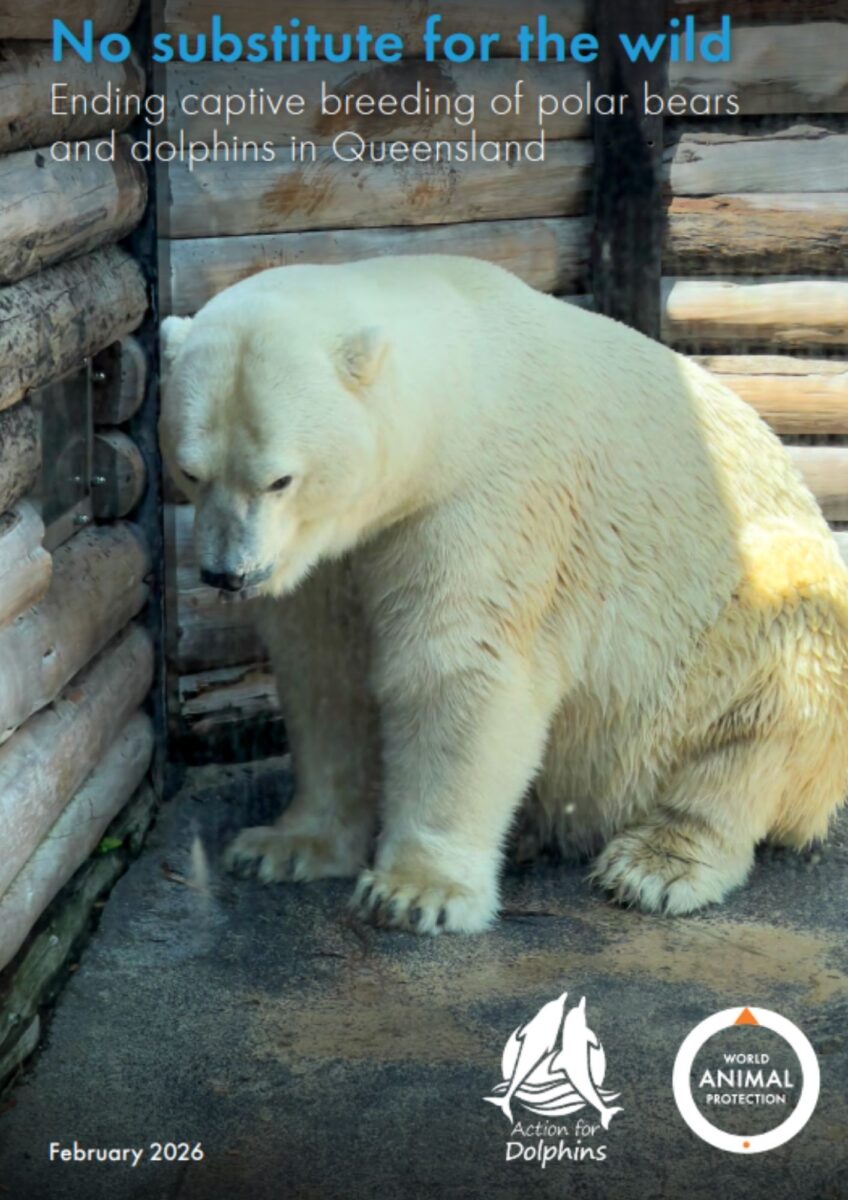
Our report challenges the continued breeding of dolphins and polar bears at Sea World Gold Coast and reveals that the welfare needs of polar bears and dolphins cannot be fully met within a theme park. Polar bears and dolphins have evolved for vast, complex environments that captivity cannot replicate over the long term. Being captive restricts movement, simplifies their habitats, limits natural social behaviour, and exposes them to ongoing noise when compared to the wild. Our report finds the resulting welfare risks are structural and are compounded each time new animals are bred into captivity.
For this reason, we are urging Sea World and the Queensland Government to work together and take action in implementing a breeding ban of dolphins and polar bears.
Queensland is the last holdout in Australia
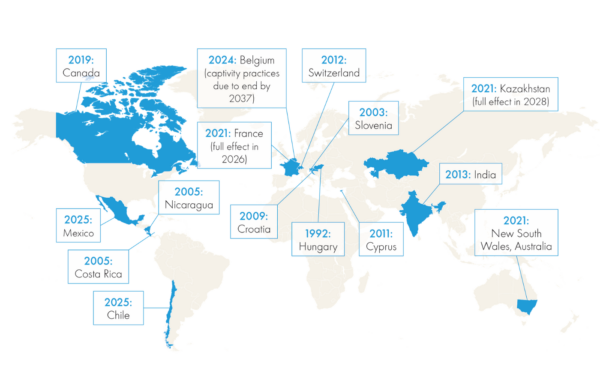
Sea World on the Gold Coast is now the only venue in Australia still breeding both dolphins and polar bears for display and entertainment. New South Wales banned captive dolphin breeding in 2021. Across the world, regions from Canada to Mexico, France to India, have progressively restricted or ended dolphin captivity by banning breeding, imports, or public displays.
The travel sector is also moving in the same direction, with well known travel companies creating animal welfare policies and no longer selling or promoting tickets to venues that display dolphins and whales for entertainment.
Public sentiment is shifting too. A national survey commissioned in January 2026 found that 68% of Queenslanders would support a ban on Sea World breeding polar bears, and 59% would support a ban on breeding dolphins. Nationally, 87% of Australians consider the Gold Coast climate to be extremely or somewhat unacceptable for polar bears.
Structural limitations of captivity for polar bears
Temperature
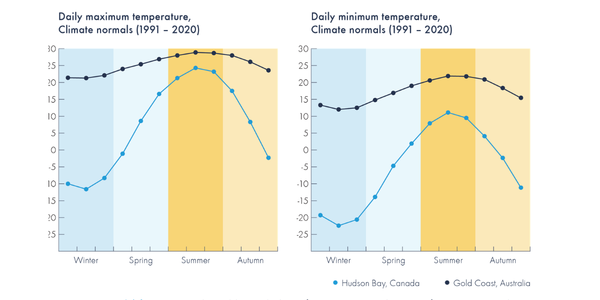
Polar bears are adapted to cold Arctic environments. Sea World promotes Polar Bear Shores as a replica of an “Arctic summer” based on Canada’s Hudson Bay, yet climate data show the Gold Coast is consistently warmer across the year than Hudson Bay. Peer-reviewed research has linked temperatures above 20°C in captive polar bears to increased cortisol, a physiological stress marker.
Size and environmental complexity
Research shows polar bears evolved for cold, highly variable Arctic environments shaped by snow, sea ice, and open water; conditions not easily replicated in a subtropical theme park.
The Polar Bear Shores enclosure gives polar bears a fraction of the space they use in the wild. The Polar Bear Shores enclosure is 0.001658km². Yet wild polar bears use ranges spanning tens to hundreds of thousands of square kilometres. Research also shows that wide-ranging species like polar bears can experience poorer welfare when confined to restricted, simplified spaces.
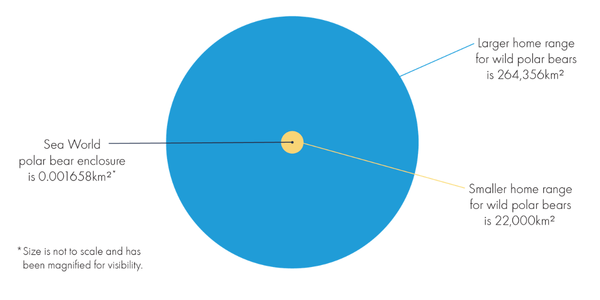
Sea World describes its polar bear exhibit as “world-class.” Our report compared the Polar Bear Shores enclosure to four other facilities that market themselves with the same claim, and found Sea World’s enclosure is 24 times smaller than the polar bear enclosures at RZSS Highland Wildlife Park and Yorkshire Wildlife Park.
Polar bears are also naturally solitary. Managing three polar bears together in a confined enclosure does not reflect the spatial separation and independence that characterises their lives in the wild.
Noise
Polar bears possess acute, wide-range hearing sensitive to human-generated sounds. At Sea World, they are exposed to rollercoasters, daily low-altitude helicopter tours, loudspeakers, and two annual night-time events, Spooky Nights and Carnivale, which include fireworks and light shows. Research shows environmental disturbance is associated with increased stereotypical behaviours in captive polar bears. Unlike wild polar bears, those at Sea World cannot move away from these noise sources.
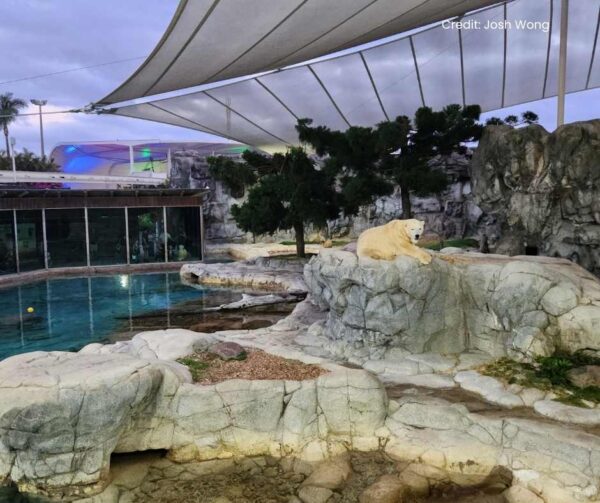
A polar bear lying in the Sea World Polar Bear Shores enclosure at dusk with a light display visible nearby during Spooky Nights, an annual Halloween event hosted by Sea World. © Josh Wong
Structural limitations of captivity for dolphins
Size and environmental complexity
Wild bottlenose dolphins are mobile. Researchers have tracked them travelling between 33 and 89 kilometres per day, with home ranges estimated between 20km² and 344km². Even in the largest captive facilities in the world, dolphins are granted access to less than 0.0001% of their typical home range in the wild. Sea World’s lagoons represent a fraction of the space these animals have evolved to use.
Researchers have identified significant impacts when wide-ranging mammals like dolphins are held in restricted, monotonous spaces, including reduced neural development, disrupted brain function and stress-linked behaviours.
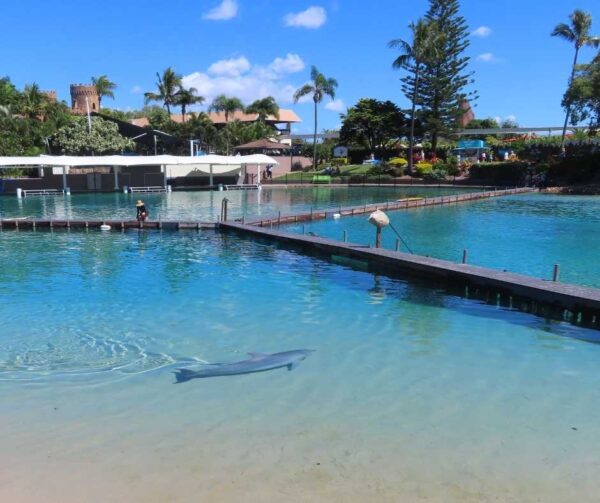
A single dolphin swimming in the lagoon at Sea World. The enclosure is bordered by walkways and visitor areas, illustrating the limited space, simplified habitat, and close proximity to human activity experienced by dolphins in captivity. © World Animal Protection
Social environment
Research shows appropriate social groupings, combined with space and complexity that allow individuals to spend time together or apart, are among the most important determinants of welfare for dolphins. Captive settings struggle to satisfy dolphins’ social needs because they limit group size, restrict movement, and prevent the formation of broad, dynamic social networks.
Noise
Sound is central to how dolphins navigate, forage, and communicate. Research shows dolphin welfare is shaped by the volume of noise, its persistence and whether animals can move away from it. Captive dolphins in confined lagoons cannot. At Sea World, the dolphin lagoons sit in close proximity to rollercoasters, helicopter flights, and large crowds. During special events, the park runs fireworks and light shows at night. In shallow lagoons, sound attenuates less efficiently than in open water, reflects between the surface and the substrate, and lingers longer than it would in the wild. Research links chronic noise exposure in captive dolphins to stress, disrupted echolocation, disrupted foraging, reduced play behaviour, and disrupted cooperative communication.
Performances and interactions
Sea World offers twice-daily dolphin shows and close-contact encounters where visitors enter the water to pat dolphins. For a species who rarely encounter unfamiliar individuals at close range in the wild, frequent proximity to large numbers of visitors is an additional stressor for bottlenose dolphins rather than improving welfare.
Why a breeding ban is the appropriate response
These conditions arise due to the inherent constraints of captive facilities. Research shows that wide-ranging species like polar bears and dolphins can experience poorer welfare when confined to restricted, simplified spaces.
Breeding extends this problem. Each dolphin calf or polar bear cub born in captivity will experience conditions shown to be mismatched to their species-specific needs for another lifetime. A dolphin born at Sea World today could still be performing in 2070. A polar bear cub born today could still be on display in 2050.
A breeding ban addresses the problem at its source. It stops the captive population from growing and prevents future dolphins and polar bears from being born into the same constraints.
A breeding ban aligns with scientific evidence, community expectations and international trends. It is a measured, responsible and future-focused policy response that prevents the problem from expanding and supports a planned transition for the sector.
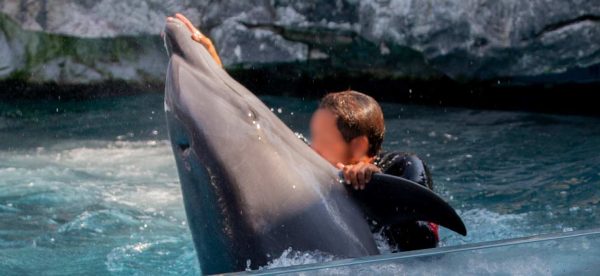
Waves of Profit: How the tourism industry profits from the Taiji dolphin killings
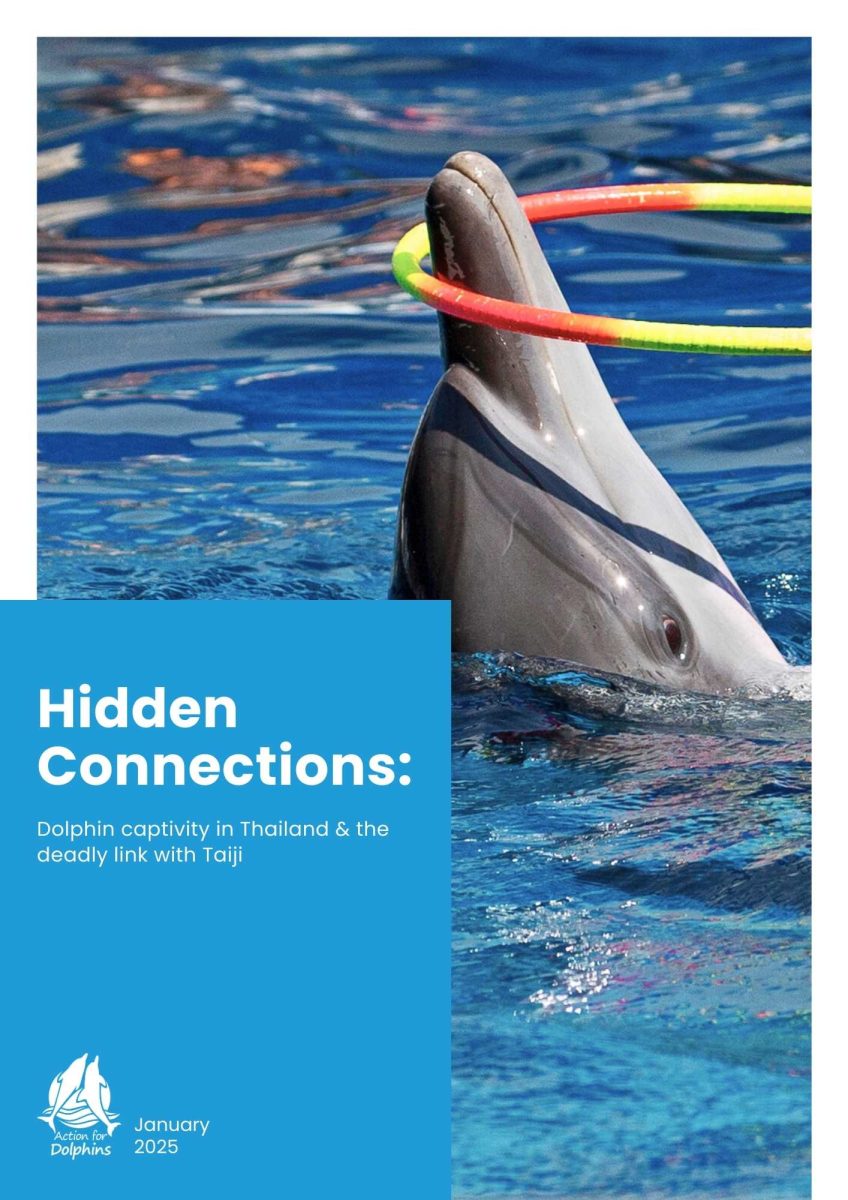
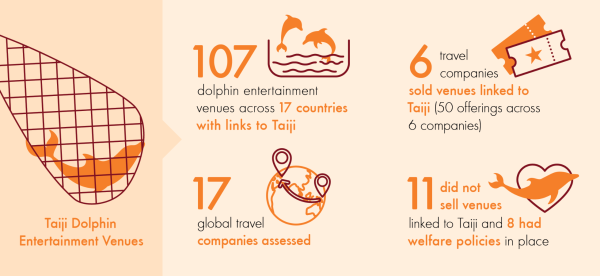
We are proud to co-release a new report ‘Waves of Profit: How the tourism industry profits from the Taiji dolphin killings’ with World Animal Protection. This report reveals which travel companies have links to the Taiji dolphin hunts.
What’s the snapshot?
- Trip.com, Klook, Traveloka, Get your Guide, TUI and Groupon are selling tickets to dolphin entertainment venues linked with the Taiji dolphin hunts.
- We found 107 dolphin entertainment venues across 17 countries with links to Taiji.
- The dolphin entertainment industry is the key economic driver of the Taiji dolphin hunts.
- Latest consumer polling shows 79% of participants would rather see dolphins in the wild than in a captive environment.
- Travel companies such as Airbnb have introduced animal welfare policies, leading the move away from cruel wildlife interactions.
New South Wales: Effective Shark Management For Your Community
We are proud to co-release a report ‘New South Wales: Effective Shark Management For Your Community’ with Sea Shepherd Australia. This report is an easy-to-digest overview of shark management measures already being used in New South Wales, and explains the effectiveness (or ineffectiveness) of each one.
What’s the snapshot?
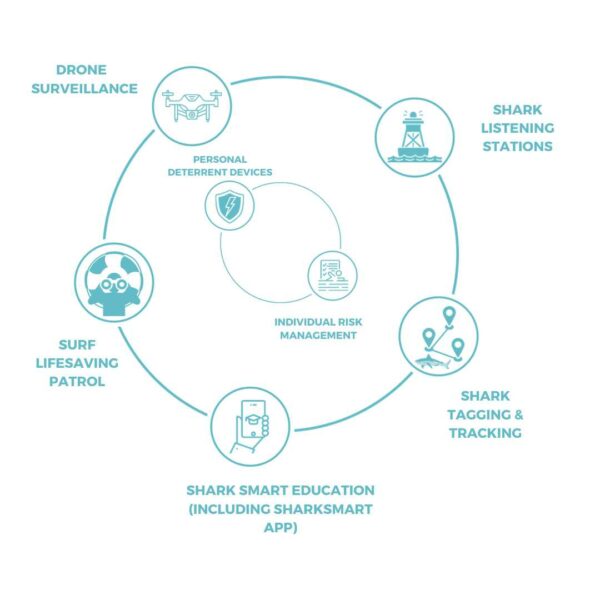
In essence, an effective shark management program weaves together multiple measures in a dynamic, adaptable approach. These are captured in the infographic below. Importantly, shark nets do not form part of an effective shark management strategy.