What are dolphin feeding programs?

Imagine you’re swimming in the wild, going about your day with your pod, when a person encourages you to come to the shore and offers you a meal, no strings attached. It might seem like an offer too good to resist. But what if the free meal comes with unintended consequences?

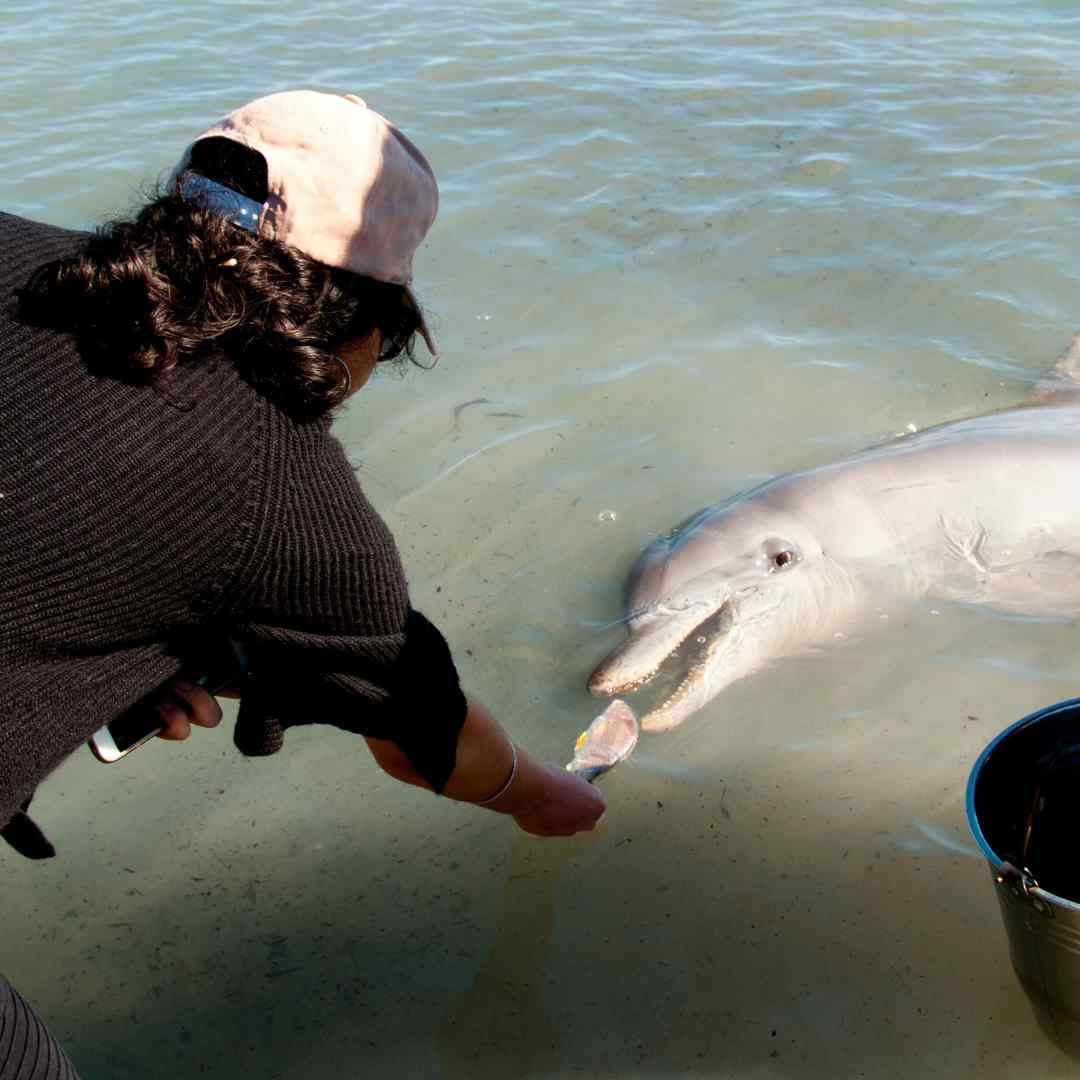
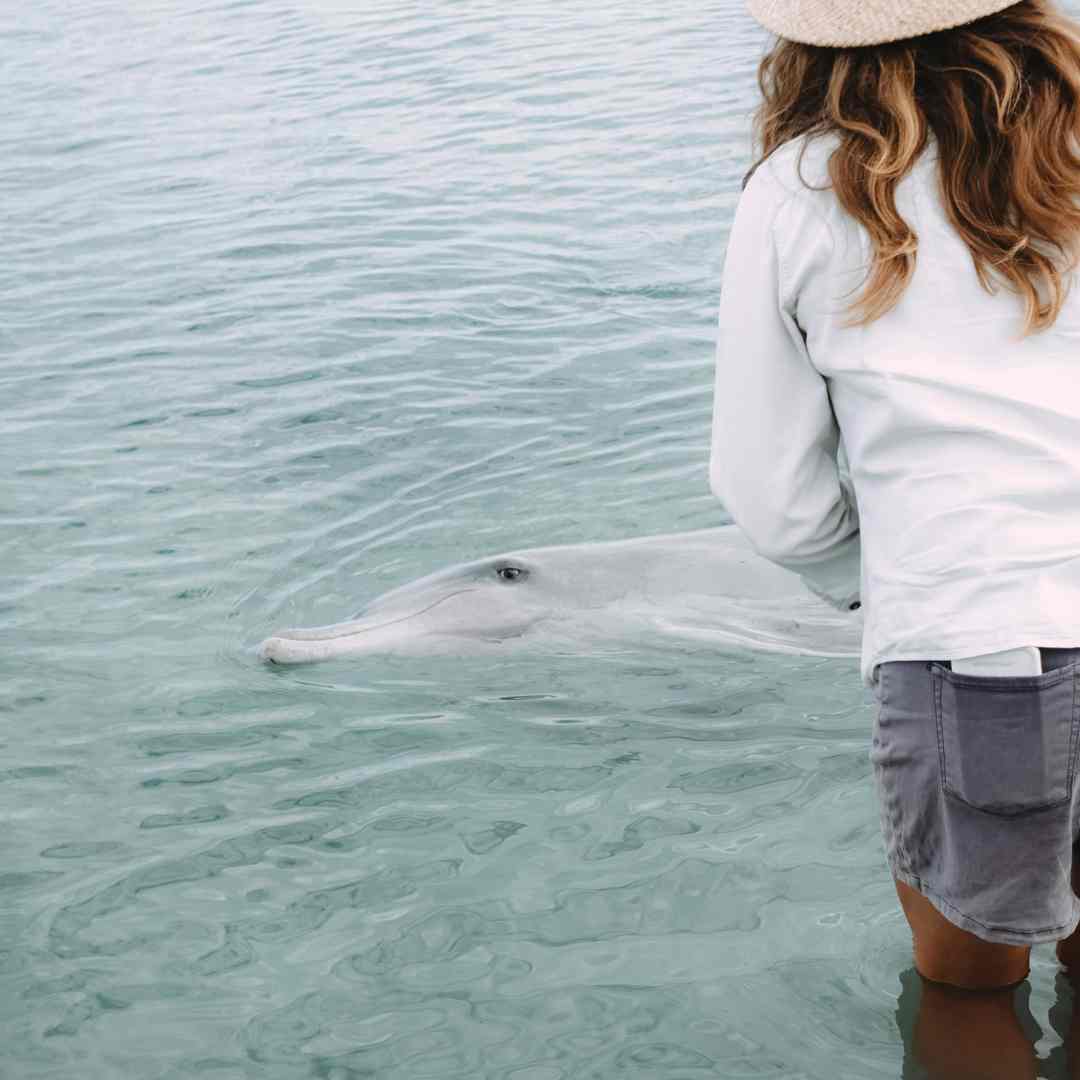
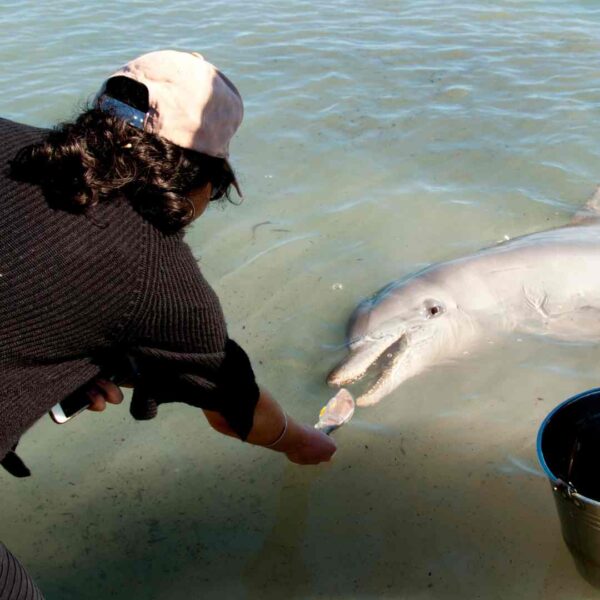
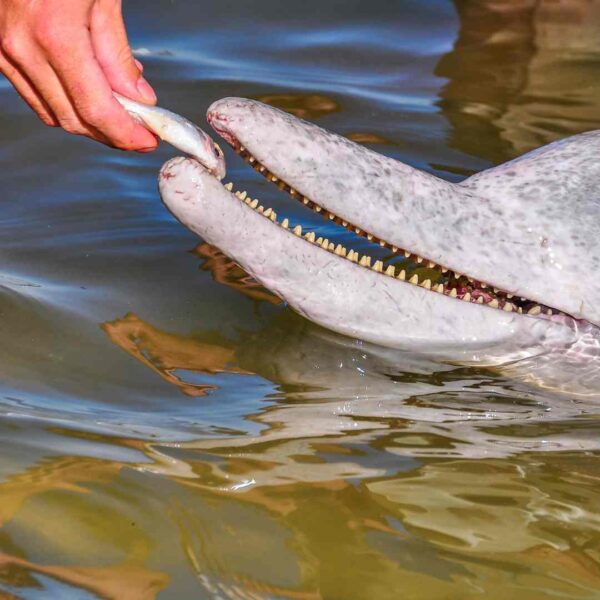
That’s the scenario faced by wild dolphins in dolphin feeding programs. These programs involve enticing dolphins with food, slowly getting them accustomed to human presence, and in time dependent on humans. It’s dangerous because it entices wild dolphins into a system that significantly disrupts their natural way of life.
Source Ben Douglas Unsplash

“With pervasive damage to the ecosystem and few signs of recovery, extreme caution is warranted with any plan to recruit more dolphins”
Janet Mann et al., 2021

Dolphins beg for food

Feeding wild dolphins has led to dolphins exhibiting unnatural behaviours.  Instead of hunting and roaming the open seas, they’ve been known to patrol the waters close to boats, scavenging for leftovers, and begging for food.[1] In Bunbury and Monkey Mia Western Australia, dolphins who are fed now approach boats and beg for food.[2] Remember, every tossed treat encourages this pattern, robbing them of their inherent, wild nature.

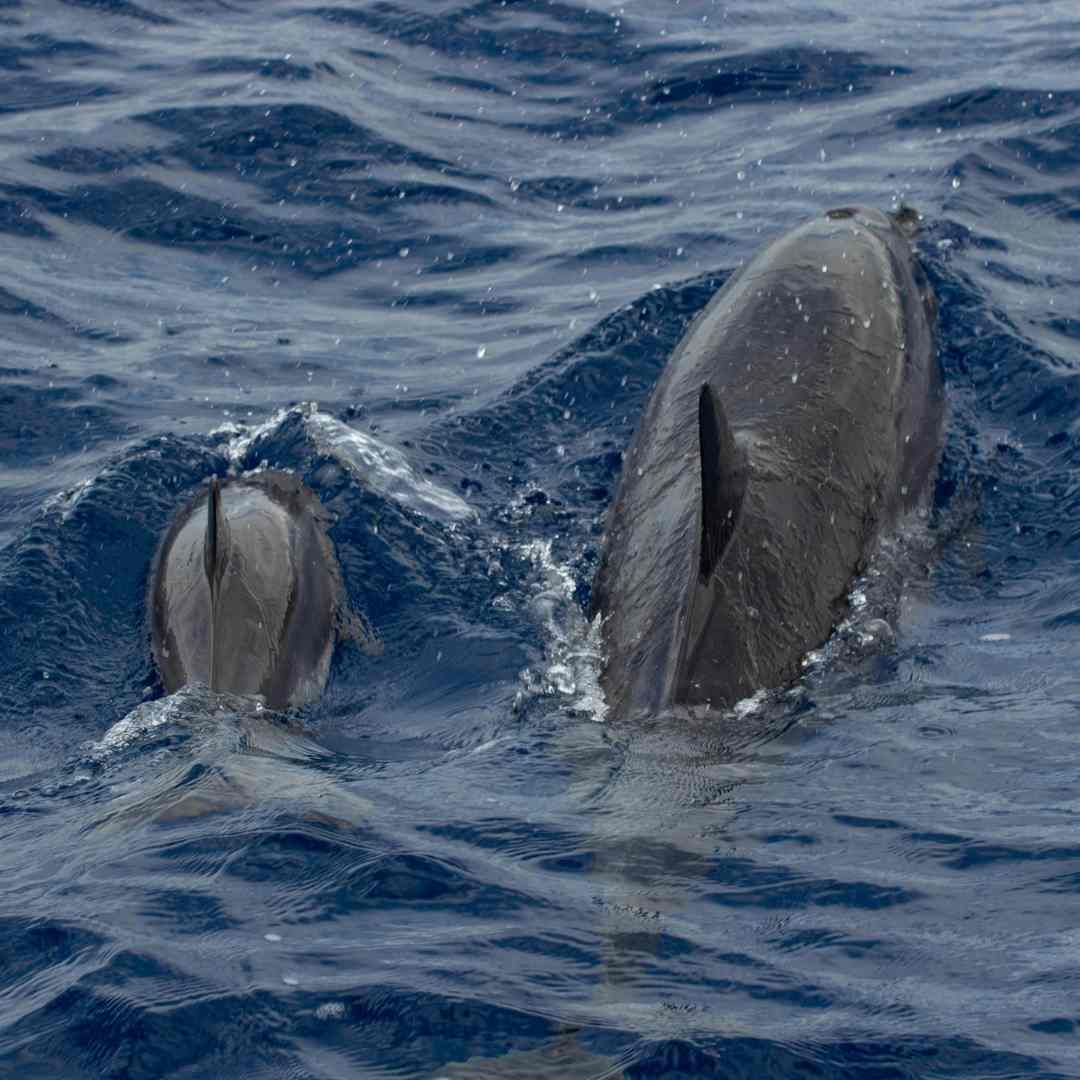
Impacts the mother and calf bond

Research shows that when dolphins at Monkey Mia are fed by humans, they pay less attention to their offspring. These young dolphins spend less time in the protective space beneath their mother’s belly, a position typically associated with infant care, and instead are found more often at a distance from their mothers. This change in behaviour suggests that human feeding can unintentionally disrupt the natural mother-calf bonding process in dolphins.[3] 

Source Kenneth Hawes Pexels

Reduces dolphins' home range

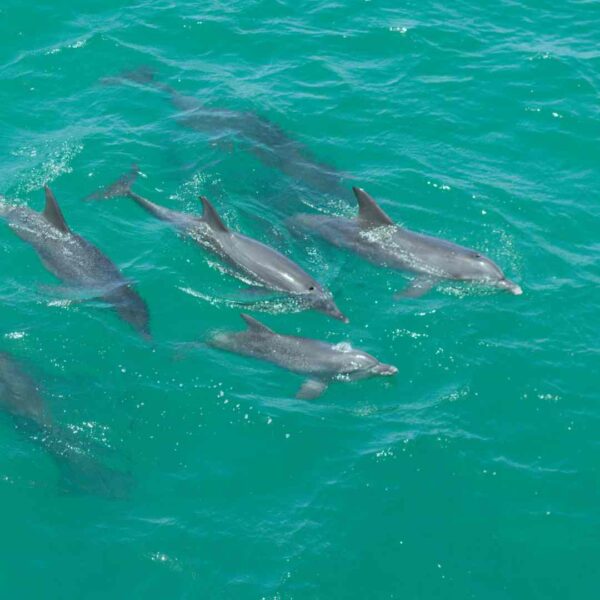
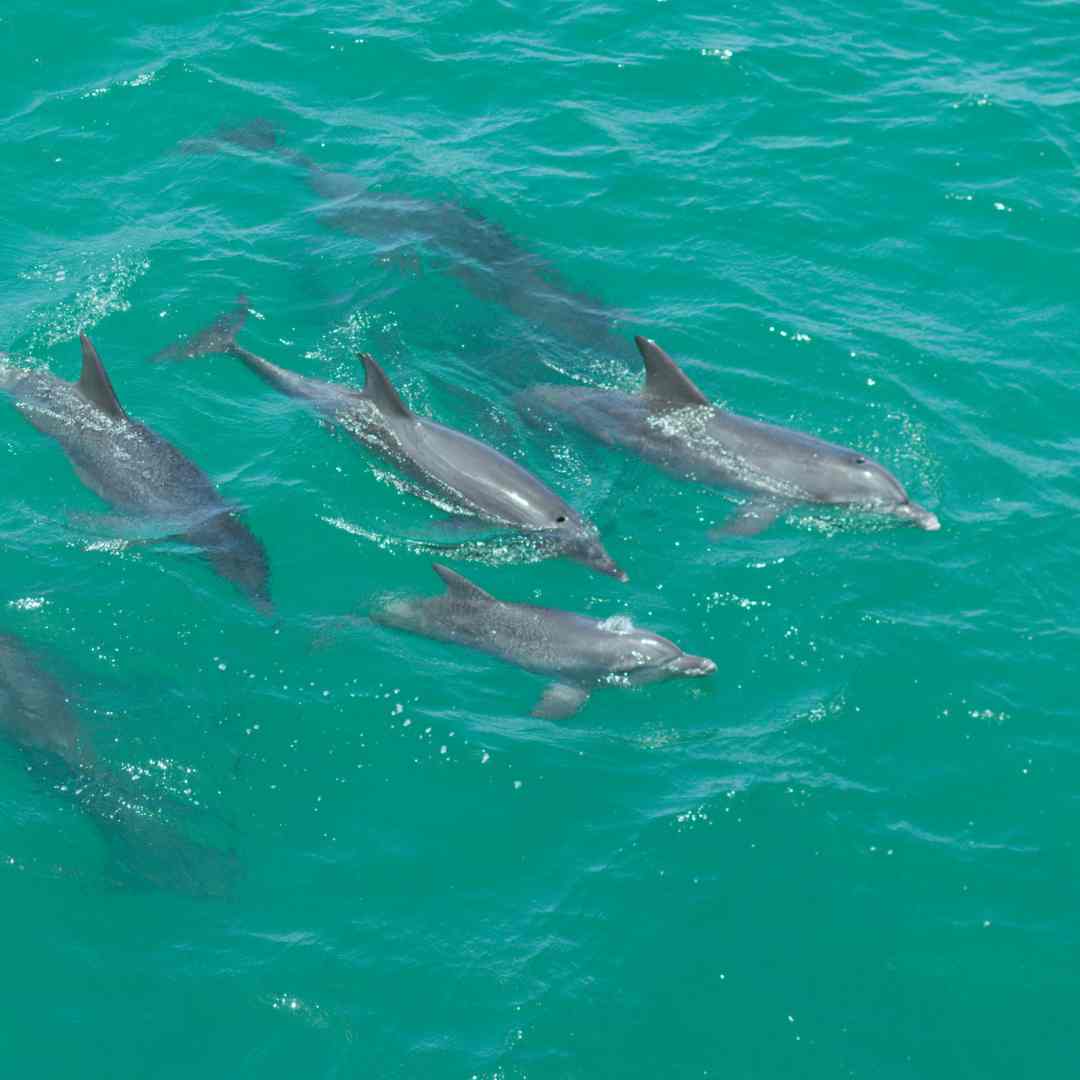
Instead of swimming far and wide, dolphins fed at Monkey Mia now linger close to the feeding sites, waiting for handouts. Their world has become significantly smaller, limiting where they socialise and feed. It’s not just these fed dolphins who are affected. Their young ones, although not fed directly, end up inheriting this confined lifestyle, learning to stay within these restricted boundaries as they mirror their mother’s behaviour. This reliance on hand-fed fish is more than just a change in diet; it’s a shift that carries potential risks to their social dynamics and even survival. After all, a smaller world is not necessarily a safer one, especially for the dolphins of Monkey Mia. [4]

Source Ben Douglas Unsplash

Increases risk of injury to dolphins

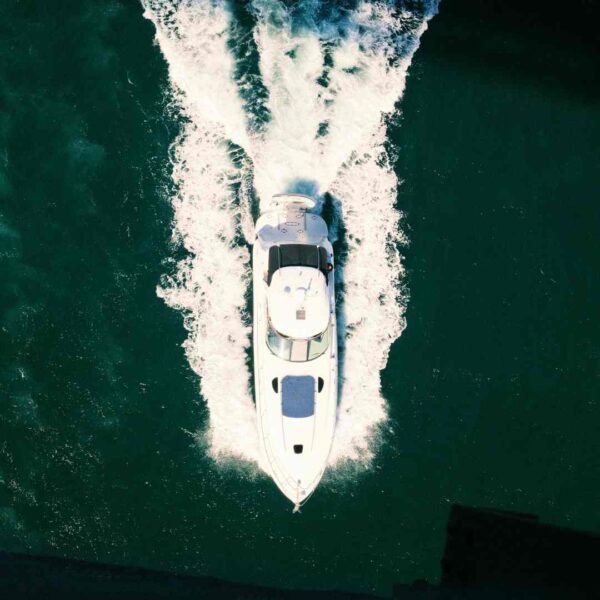
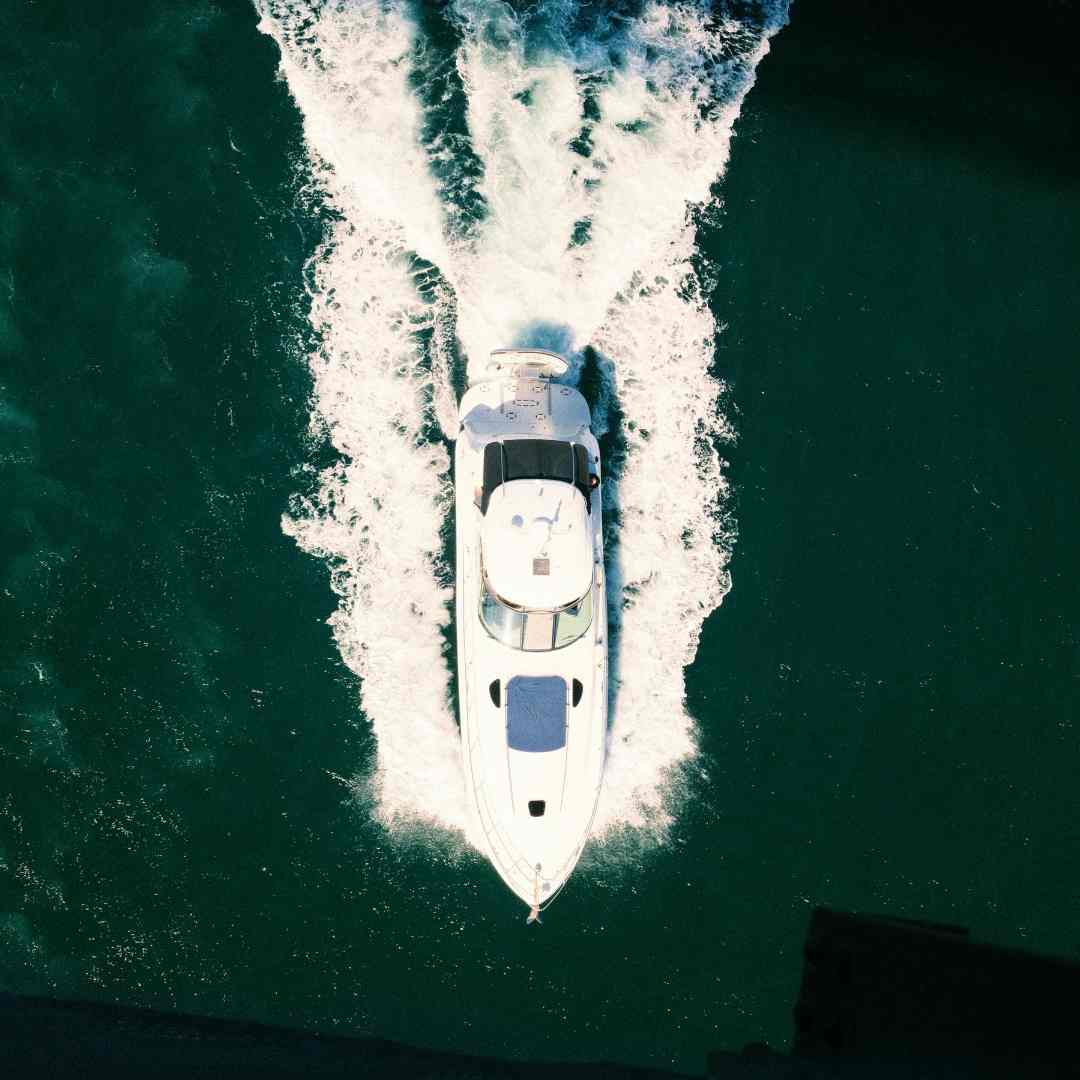
Problematic behaviours, particularly begging, increases the risk of dolphins being harmed by a boat strike or fishing gear.[5] In Monkey Mia, the fish hand-out site is located near a boat launch area. This exposes the dolphins to constant boat traffic – increasing their risk of injury.[6]

Source Talha Resitoglu Pexels

Increases pressure on their survival after extreme weather events

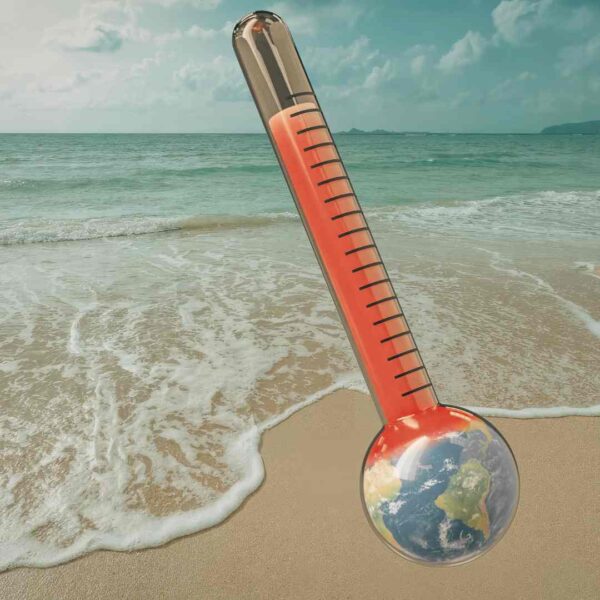
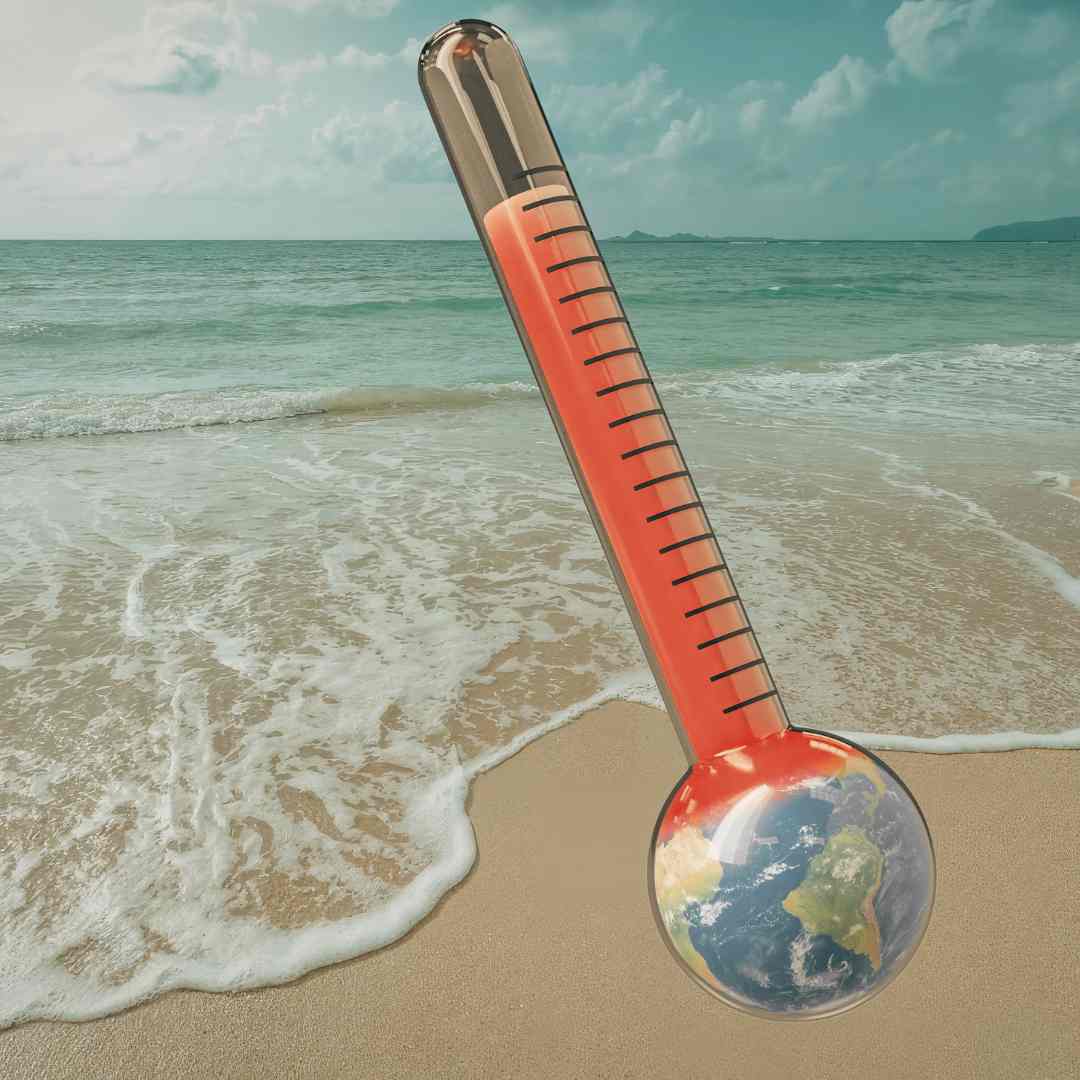
Smaller home ranges means the dolphins at Monkey Mia have a constrained ability to respond to ecological changes. This was observed following a severe marine heatwave in 2011. The scientists who studied the impact of this event say in their paper that wild dolphin feeding “… has marked impacts on dolphin activity, ranging behaviour and habitat use, with long-lasting maternal effects, thereby constraining the provisioned dolphin’s ability to respond to dramatic ecological changes caused by extreme climate events.” [7]

Source Getty Images for Unsplash+

Increases aggression

In Monkey Mia, male dolphins have become aggressive towards other dolphins and humans. As a result, they have been excluded from the feeding program since 1989.[8]

Source Jeffrey Daniel Unsplash

 What seems like a harmless act of feeding the dolphins has profound implications. It might be hard to see, but every fish handed over reinforces a lifestyle that limits their lifestyle, relationships, adaptability and resilience. Let’s keep our dolphins wild, free, and ready for whatever nature has in store.