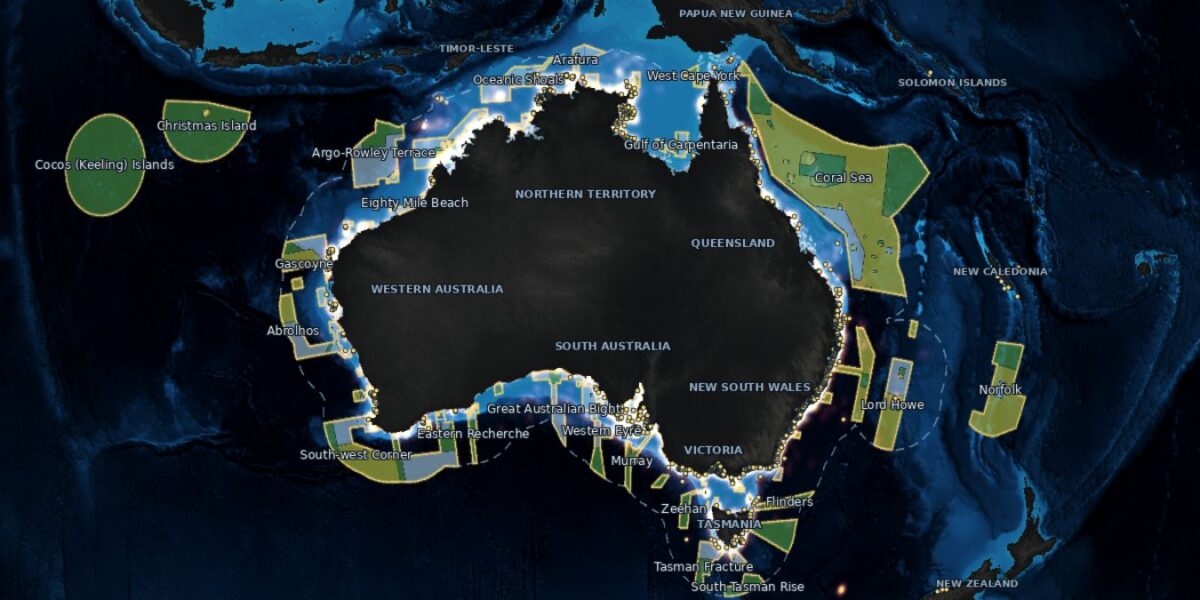
Today we are launching the Australian Dolphin Atlas.
It shows Australia’s dolphins together on a single map, and it is free for anyone to use. The Atlas shows sightings of more than 20 dolphin species, alongside the pressures they face and the marine protected areas around them.
We built the Atlas to keep dolphins in the conversation when decisions are made about the ocean. Until now, no one had a single map showing where Australia’s dolphins are and what they are up against.
What the Atlas shows
The Atlas layers information about dolphins and the ocean around them. It includes:
- Where dolphins are sighted, drawn from public records across Australia.
- Where the pressures are, including combined human pressure (shipping, oil and gas and coastal pollution overlapping with dolphin habitat), ship strike risk (where busy vessel routes cross the areas dolphins use), shipping routes, and offshore oil and gas wells.
- An ecosystem health layer drawn from water chemistry, oxygen and food-web productivity.
- Where Australia’s marine protected areas are and what their zoning looks like in Commonwealth and state waters.
Australia has one of the largest ocean estates in the world, yet only around a quarter of it has the strongest form of protection. Almost all of that protection sits offshore, in deep water, away from the coasts and shelves where dolphins live. Where dolphins are sighted, shipping lanes, oil and gas wells and the weakest zoning are often in the same water.
The Atlas was built as a lasting resource. It is free to use, open for anyone to explore, and designed to grow as more data becomes available.
It is for the decision makers reviewing where marine protection should reach. It is for the researchers testing how dolphin populations move, feed and change over time, as well as the communities living alongside dolphins on their stretch of coast. And it is for anyone who wants to see, in one place, what protecting Australia’s dolphins actually requires of us.
The Atlas is created using a collation of datasets credited on the map. We will keep adding to it, including new sightings as they are recorded, new pressures as they emerge and new protections as they are won.
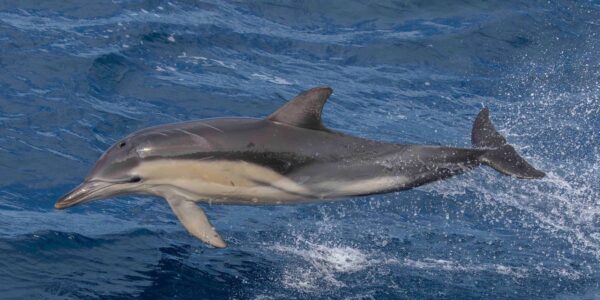
Source: @casseagypsy Cassandra Smith
The first use case of the Atlas: protecting vulnerable dolphins
For the first time in a decade, the Australian Government is reviewing the rules for 44 marine protected areas covering 2.4 million km² of ocean. What is decided now will set marine protection for the next ten years. The review closes on 30 September 2026.
Fewer than 10,000 Australian humpback dolphins are thought to be left. They live along the northern coast, including the Joseph Bonaparte Gulf, off the top of the Northern Territory and Western Australia. The Atlas shows exactly where Australian humpback dolphins have been seen in this region. The marine park that covers their home water is a single Multiple Use Zone, the weakest protection there is. That means mining can be approved across the whole park. Around two thirds of it already sits under petroleum title. There is no marine sanctuary anywhere inside it. This review is the chance to lift the zoning where these dolphins live to the strongest level, and to put real conditions on the mining activity around them.
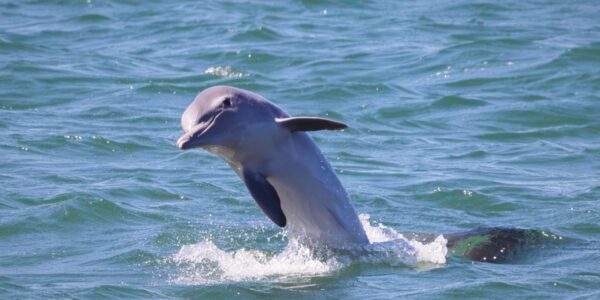
Source: @casseagypsy Cassandra Smith
Australian snubfin dolphins are shy, snub-nosed coastal dolphins, found only in the waters of northern Australia and southern New Guinea. They live in small, slow-breeding populations that stay close to home.
Australian snubfin dolphins have been recorded across the North marine parks network, from the Gulf of Carpentaria to the Arafura and Arnhem coasts. This is the network with the least marine sanctuary protection of any in the country, and oil and gas is pre-approved across most of the coast the Australian snubfin dolphin uses. We are calling for real protection to reach the places dolphins depend on, grounded in what the Atlas shows.
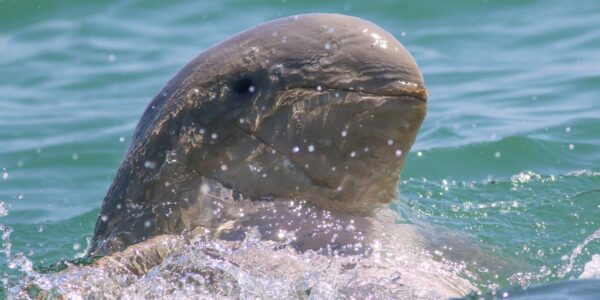
Source: Dane McDermott
Open the Atlas, find the water you care about, see what dolphins have been seen there, and explore what real protection there would take. Share with us what you learn and what else you’d like to see on the Atlas.