Right now, the government is reviewing the rules for Australia’s marine protected areas. That review is open now, covering 44 marine parks across 5 networks and 2.4 million km² of ocean. It closes on 30 September 2026, and what is decided then will shape marine protections for the next decade.
The government has proposed the biggest expansion of ocean protection in a decade. More than 670,000 km² of new marine sanctuaries are proposed around Norfolk Island and Lord Howe Island.
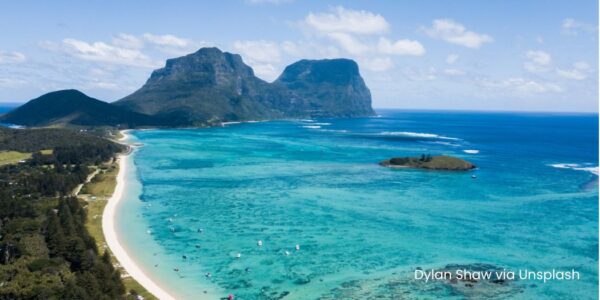
Around Norfolk Island, the marine protected area will roughly double, with 94% of it being rezoned as a marine sanctuary. Around Lord Howe Island, the park would more than triple. At Lord Howe, the share of humpback whale habitat protected as a marine sanctuary would rise from 2% to 78%.
The same ambition now needs to reach the waters where dolphins and whales need to thrive. Around 79% of the habitats dolphins and whales rely on in Australian waters sit outside any marine protected area.
Of the habitat that does fall inside one, most sits in the weakest zones, where commercial fishing and oil and gas can still be approved. Only around 6.2% of the key habitats dolphins and whales feed, breed, calve and migrate are inside marine sanctuaries, where the strongest protections are.
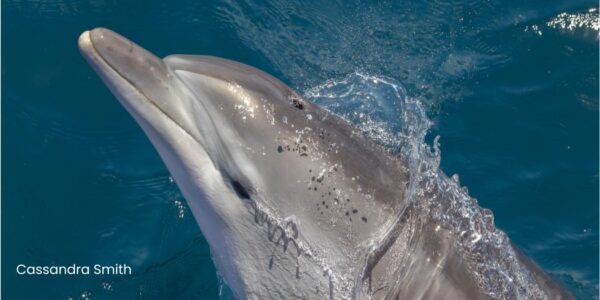
The protections we already have matter, and we want them to reach further. A marine protected area is only as strong as its zoning. Right now the strongest zones are concentrated in remote deep water, while the shelf edges and migration corridors where dolphins and whales feed and raise their calves are still mostly in the weaker zones. In these weaker zones, activities like commercial fishing and oil and gas exploration can still be approved.
This review is our chance to expand the strongest protections so they reach more of where dolphins and whales feed, raise their calves and migrate.
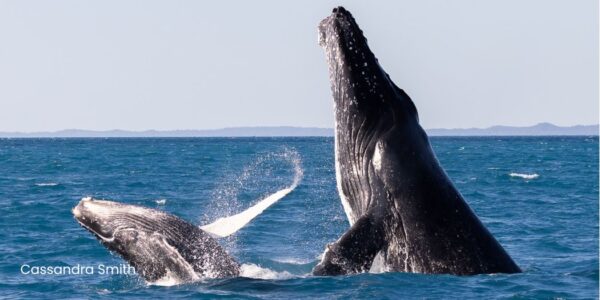
The gaps in protection are real. Every year, humpback whales make a round trip of about 5,000 km through the Coral Sea, between their Antarctic feeding grounds and their tropical breeding and calving waters. Across roughly 90% of their habitat in the Coral Sea marine park, the three fishing methods most likely to entangle a whale are all still allowed. No rule slows the ships they share the water with. This review can create more marine sanctuaries in the waters they travel through, bring in whale-friendly speed limits, and put real controls on the fishing methods that harm them most.
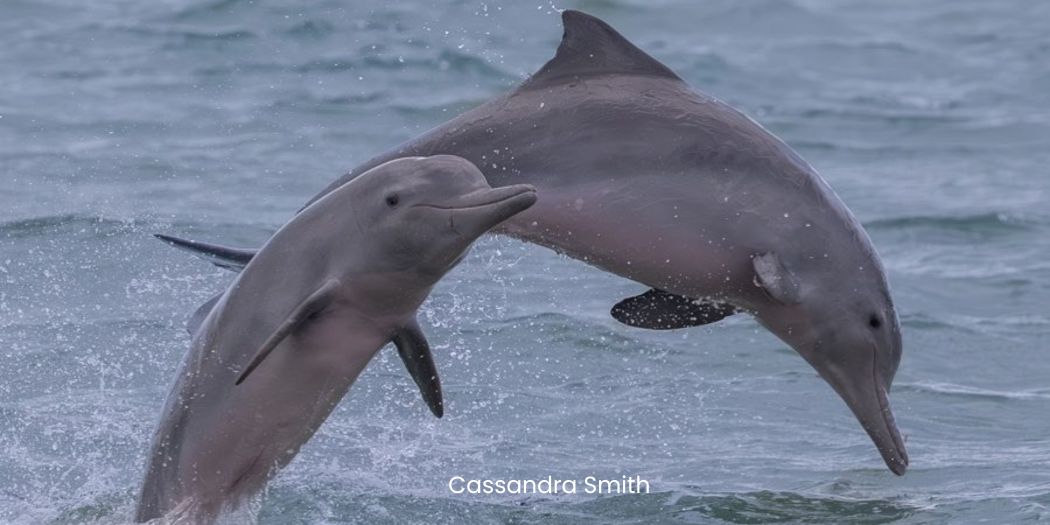
The experience is similar for dolphins. Australian snubfin dolphins are shy, snub-nosed and found only in Australian and southern New Guinea waters, living in small, slow-breeding coastal populations across northern Australia. They are already living across several marine protected areas. The problem is that the strongest marine protections barely apply to them. For example in the North network, just 4.67% of the network is in a marine sanctuary and oil and gas is pre-approved across most of the dolphin habitat.
Our team has assessed the marine parks under review against what dolphins and whales actually need. These have been cross-referenced against the threats they face and every gap in the current protection network. It is how we know where the strongest protection is missing and exactly where to call for it.
We believe the government has the perfect opportunity to achieve the following.
- Pass the proposed 670,000 km² of new marine sanctuaries around Norfolk and Lord Howe Islands.
- Protect more dolphin and whale habitat. About 79% of the ocean dolphins and whales rely on sits outside any protection today. Extend the protected areas to cover more of it.
- Create more marine sanctuaries, the safe zones where harmful activities are kept out entirely. Only about 6.2% of the key places dolphins and whales feed, breed, calve and migrate have this level of protection. We need more.
- Keep harmful activities out of the places that matter most, including destructive fishing and oil and gas.
- Put real, enforceable conditions on the commercial fishing still allowed inside these protected areas.
- Set commercial shipping speed and noise limits where whales and dolphins travel and gather
- Plan for climate change, which is already shifting where these animals can live.
- Respect Traditional Owner knowledge, cultural values and rights in the management of Sea Country.
You can sign our submission, and join in the call for these protections too.
Dolphins and whales help keep the ocean thriving. When whales dive deep to feed and come back to the surface, they bring nutrients up with them, feeding the tiny plants that the whole ocean food web is built on. As they migrate, whales carry those nutrients thousands of kilometres, and when they die their bodies take carbon down to the seafloor.
Dolphins and whales sit near the top of the food chain. Healthy dolphin and whale populations are a sign the waters around them are working as they should.
So protecting dolphins and whales protects far more than dolphins and whales. It helps keep the whole ocean productive, balanced and healthy.